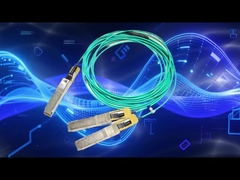
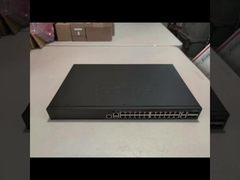
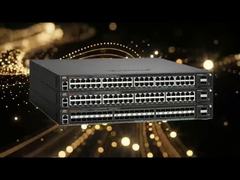
Breve: Scopri l'MCP1650-H002E26 ad alte prestazioni, un cavo in rame a collegamento diretto QSFP56 da 200 Gb/s progettato per ambienti InfiniBand HDR. Questa soluzione in rame passivo offre una larghezza di banda eccezionale, un basso consumo energetico e un'integrità del segnale superiore per le applicazioni dei data center.
Caratteristiche del prodotto correlate:
Delivers 200Gb/s bandwidth using 4x50G PAM4 modulation technology for high-speed data transfer.
Features a passive copper Direct Attach Cable (DAC) design requiring no signal amplification.
Utilizes QSFP56 form factor connectors with hot-pluggable capability for easy installation.
Constructed with Low Smoke Zero Halogen (LSZH) jacket material for enhanced safety in data centers.
Consumes extremely low power (<0.1W) for energy-efficient operation.
Compliant with InfiniBand HDR specifications and industry standards including RoHS and SFF-8665.
Optimized for short-reach applications up to 2 meters in data center environments.
Provides reliable connectivity for leaf-spine architectures and server-to-switch interconnections.
Domande frequenti:
What is the maximum reliable distance for this Mellanox DAC cable?
This passive DAC cable is optimized for short-reach applications up to 2-3 meters, making it ideal for within-rack and adjacent-rack connections in data center environments.
Can this 200Gb/s cable be used with 100GbE equipment?
While electrically compatible with QSFP56 ports, interoperability with 100GbE equipment depends on specific switch capabilities and may require configuration adjustments.
Does this cable require special cleaning or maintenance?
As a copper-based solution, this passive cable alternative requires minimal maintenance compared to optical solutions. Standard handling procedures for high-speed cables should be followed.
What are the key installation considerations for this cable?
Maintain minimum bend radius specifications (47mm for single bend, 94mm for repeated bends), ensure operating environment remains within specified temperature ranges, and verify compatibility with host equipment before deployment.